Address
304 North Cardinal
St. Dorchester Center, MA 02124
Work Hours
Monday to Friday: 7AM - 7PM
Weekend: 10AM - 5PM
Address
304 North Cardinal
St. Dorchester Center, MA 02124
Work Hours
Monday to Friday: 7AM - 7PM
Weekend: 10AM - 5PM



$85
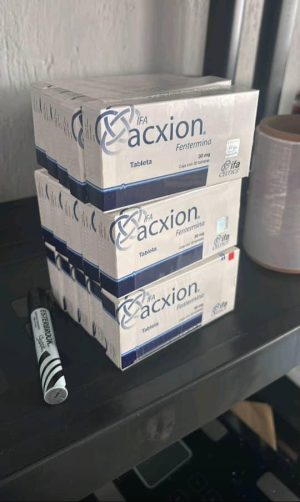
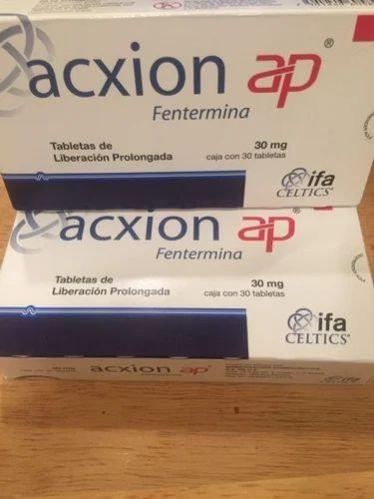
Phentermine 37.5 mg is a prescription-strength formulation used in certain medically supervised weight-management programs. Learn about its uses, dosage considerations, potential side effects, contraindications, drug interactions, and important safety information.
Phentermine 37.5 mg is a prescription formulation of phentermine hydrochloride used as a short-term adjunct to a weight-reduction program for certain patients with obesity. It is intended to be used alongside appropriate dietary changes, physical activity, and behavioral modification rather than as a replacement for healthy lifestyle measures. Current U.S. prescribing information describes phentermine hydrochloride as a sympathomimetic amine anorectic and indicates that treatment should be individualized.
Because phentermine is a prescription medication with important contraindications, warnings, and potential interactions, treatment should be determined and monitored by an appropriately qualified healthcare professional.
Phentermine 37.5 mg refers to a formulation containing 37.5 mg of phentermine hydrochloride. Current DailyMed labeling includes 37.5 mg phentermine hydrochloride tablets and capsules among available dosage forms. Some tablet products specify that 37.5 mg of phentermine hydrochloride is equivalent to 30 mg of phentermine base. Formulation characteristics can vary by manufacturer, so the specific product label should always be checked.
Phentermine is classified as a sympathomimetic amine anorectic. It affects the central nervous system and can decrease appetite, helping some appropriately selected patients reduce food intake during a structured weight-management program. MedlinePlus describes phentermine as an appetite-reducing medication used for a limited period in conjunction with diet and exercise.
For applicable U.S. formulations, phentermine hydrochloride is indicated as a short-term adjunct in a regimen of weight reduction involving exercise, behavioral modification, and caloric restriction for the management of exogenous obesity.
Current prescribing information identifies patients with an initial BMI of at least 30 kg/m², or at least 27 kg/m² in the presence of certain additional risk factors, as potential candidates under the labeled indication. These criteria should not be interpreted as an automatic determination that an individual should receive treatment. A healthcare professional must evaluate the patient’s overall health and treatment needs.
Phentermine 37.5 mg should therefore be understood as one component of a broader medical weight-management approach.
Phentermine has sympathomimetic activity and works primarily through the central nervous system. Its appetite-suppressing effects can help reduce hunger and food intake.
The purpose of this effect is to support adherence to a calorie-controlled weight-management program. Phentermine should not be described as a guaranteed fat-burning medication or as a substitute for nutrition, physical activity, or behavioral changes.
Individual responses vary, and a healthcare professional may assess treatment response and tolerability throughout therapy.
Dosage must be individualized according to the specific product, patient characteristics, response, and prescribing instructions.
For one current U.S. phentermine hydrochloride 37.5 mg tablet/capsule label, the usual adult dosage is one 37.5 mg dose daily as prescribed, with administration before breakfast or 1 to 2 hours after breakfast. The labeling also notes that some patients may receive a lower dose.
Importantly, this does not mean that 37.5 mg is the correct dose for every patient.
The same prescribing information states that dosage should be individualized to achieve an adequate response with the lowest effective dose. Late-evening administration should be avoided because of the possibility of insomnia.
Patients should never increase their dose, take additional doses, or change the schedule without direction from their prescribing healthcare professional.
Kidney function can affect how phentermine is handled by the body.
Current prescribing information recommends a maximum dosage of 15 mg daily for patients with severe renal impairment with an eGFR of 15–29 mL/min/1.73 m² and recommends avoiding use in patients with an eGFR below 15 mL/min/1.73 m² or end-stage renal disease requiring dialysis.
This is an important reason why dosage should not be selected independently.
Phentermine can cause adverse effects, and individual responses vary.
Potential effects may include:
MedlinePlus lists several possible adverse effects and emphasizes that patients should take phentermine exactly as directed.
More serious reactions can occur. Cardiovascular symptoms or other concerning reactions should be evaluated promptly by a healthcare professional.
Patients should review the medication guide and prescribing information for the specific formulation they have been prescribed.
Difficulty sleeping is an important consideration with phentermine because of its stimulant-like effects.
Current labeling specifically advises avoiding late-evening administration because of the possibility of insomnia.
Patients should follow their prescription instructions rather than changing the timing or dosage themselves.
Phentermine is contraindicated in certain circumstances.
Current U.S. prescribing information lists contraindications including:
The exact contraindications and warnings should always be checked against the prescribing information for the specific formulation.
This information is not a substitute for an individual medical assessment.
Phentermine can interact with other medications.
One particularly important contraindication involves monoamine oxidase inhibitors (MAOIs). Current prescribing information states that phentermine should not be used during or within 14 days following administration of an MAOI because of the potential for hypertensive effects.
Patients should tell their healthcare professional about all medications they take, including:
Do not assume that a supplement or another weight-loss product is safe to combine with phentermine.
Phentermine should not automatically be combined with other weight-loss medications.
Current prescribing information specifically states that coadministration of phentermine with other drugs for weight loss is not recommended.
Patients considering combination weight-management treatment should discuss the complete medication plan with their healthcare professional.
Phentermine should not be used during pregnancy.
Current prescribing information lists pregnancy as a contraindication for applicable phentermine formulations.
Anyone who is pregnant, planning to become pregnant, or who believes they may be pregnant should discuss medication use with an appropriate healthcare professional.
Current prescribing information also lists nursing as a contraindication for applicable phentermine formulations.
Patients who are breastfeeding should consult a healthcare professional before using phentermine.
Phentermine is traditionally labeled in the United States as a short-term treatment.
Current prescribing information describes it as a short-term adjunct, generally “a few weeks,” within a weight-reduction regimen.
MedlinePlus similarly explains that phentermine is generally used for a limited period and that treatment duration depends on how the individual responds.
Treatment duration should therefore be determined by the prescribing professional rather than extended independently.
The term “strong” can be misleading when discussing prescription medications.
Phentermine 37.5 mg is one available strength, but the appropriate dose depends on the formulation, patient, medical history, treatment response, and prescribing instructions.
Current labeling emphasizes individualizing dosage and using the lowest effective dose.
A higher numerical strength does not automatically mean that a medication is more appropriate or more effective for a particular person.
Medication should be considered part of a broader weight-management strategy.
A comprehensive plan may include:
Appropriate calorie management and balanced nutrition can support weight-management goals.
Regular physical activity can contribute to overall health and weight management when appropriate for the individual.
Long-term weight management may involve changes to eating patterns, activity, sleep, stress management, and other behaviors.
Regular professional monitoring can help assess treatment response, adverse effects, and whether continued treatment remains appropriate.
Phentermine 37.5 mg is a formulation containing 37.5 mg of phentermine hydrochloride. It is a prescription medication used as a short-term adjunct to a weight-reduction program for appropriately selected patients.
Yes. Current DailyMed listings include phentermine hydrochloride 37.5 mg tablets, and some products are also available as 37.5 mg capsules. Specific formulations vary by manufacturer.
It is used as a short-term adjunct to diet, exercise, behavioral modification, and caloric restriction in the management of exogenous obesity for appropriately selected patients.
The correct instructions depend on the specific prescription. Current labeling for certain 37.5 mg products describes once-daily administration before breakfast or 1 to 2 hours after breakfast. Patients should follow their own prescription rather than relying on general online dosing information.
Late-evening administration should generally be avoided for applicable formulations because it may contribute to insomnia. Follow the timing instructions provided by the prescribing professional.
Possible effects include dry mouth, gastrointestinal symptoms, nervousness, restlessness, and difficulty sleeping. More serious reactions are also possible, so concerning symptoms should receive appropriate medical attention.
Phentermine should not automatically be combined with other weight-loss medications. Current prescribing information advises against coadministration with other drugs for weight loss.
No. Pregnancy is listed as a contraindication for applicable phentermine formulations.
U.S. labeling describes phentermine as a short-term adjunct, generally for a few weeks. The actual treatment duration should be determined by the prescribing healthcare professional.
Phentermine 37.5 mg can be an appropriate component of a medically supervised weight-management program for selected patients. However, it is not appropriate for everyone and should not be treated as a guaranteed solution for weight loss.
Responsible use means following the prescription exactly, informing healthcare professionals about other medications and health conditions, attending appropriate follow-up appointments, and combining treatment with sustainable lifestyle measures.
Medical information disclaimer: This content is provided for general educational purposes and does not constitute individualized medical advice, diagnosis, or treatment. Phentermine is a prescription medication. Product formulations, approvals, prescribing requirements, and labeling may vary by country and manufacturer. Always consult the prescribing information for the specific product and an appropriately qualified healthcare professional. Phentermine is primarily indicated as an adjunct to a reduced-calorie diet for weight management in patients with obesity. Its mechanism of action involves appetite suppression through central nervous system stimulation. Due to potential side effects and contraindications, it is imperative for patients to undergo thorough evaluations by healthcare professionals prior to initiation. Regular follow-up consultations are recommended to monitor efficacy and ensure safety during treatment.
| Type | AP, Regular |
|---|